Meent’s Dental Surgical Minimally Invasive Support Solution is a focused equipment suite for oral and maxillofacial surgeons performing implant placement, periodontal flap surgery, apicoectomy, and soft-tissue grafting in an outpatient surgical setting. The solution enhances intraoperative visualization, ensures precision instrumentation, and maintains strict sterilization integrity for implant and surgical kits.
Perspective: Oral Surgeons & Implantologists – Creating a controlled, high-visibility surgical environment with specialized handpieces and validated sterilization for implant instrumentation.
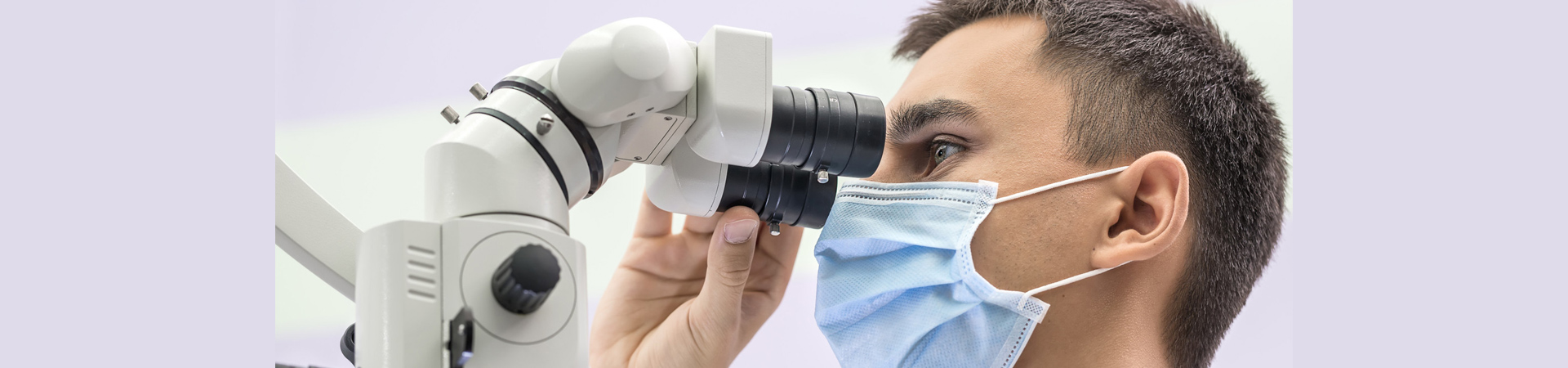
Meent positions the Intraoral Camera System in its surgical configuration: a sterilizable lens attachment with a 90 degree angle of view and 6x optical zoom, covered by a sterile disposable sheath. The camera is mounted on an articulating arm attached to the dental chair’s instrument delivery system, providing a rock-steady image. The live feed is displayed on a 32-inch 4K surgical monitor suspended from the ceiling, allowing the surgeon to operate with a neutral neck posture while viewing the magnified surgical field.
The camera’s LED ring-light delivers 5000 lux of shadow-free, 5500 K illumination directly into the surgical site. A split-screen mode simultaneously shows the pre-operative CBCT scan (imported from an external imaging centre) and the live surgical view, facilitating accurate implant osteotomy angulation. Still images are captured at critical stages – flap reflection, osteotomy preparation, implant placement, and closure – and form part of the surgical record.
Technical Note: The sterile sheath must be applied using an assistant’s no-touch technique; any breach compromises the sterile field. The camera’s optical window must be defogged before use by immersing the sheathed tip in warm (40 C) sterile saline for 30 seconds; cold glass condenses oral humidity instantly.
Meent supplies the specialized Dental Handpiece set for surgical use. The surgical high-speed handpiece is a 45 degree angled, air-turbine device with a maximum speed of 200000 rpm, designed for sectioning teeth during extraction and removing bone. Its head is significantly smaller than a restorative handpiece, providing access to posterior sextants. A fibre-optic light transmits 25000 lux at the bur tip. The handpiece drives sterile, single-use carbide burs of various shapes (round, fissure, Lindemann).
The low-speed surgical straight handpiece, operating at 500-30000 rpm, accepts a contra-angle attachment for implant osteotomy drills. The internal irrigation channel delivers sterile saline at 40 mL/min directly through the drill, maintaining bone temperature below 47 C and preventing osteonecrosis. The handpiece’s torque is displayed on the surgical unit’s screen; for implant placement, a torque range of 15-50 Ncm is used depending on the implant system and bone quality.
Technical Note: Surgical handpiece bur locks must be ultrasonically cleaned and lubricated with surgical-grade oil before each autoclave cycle. A bur lock that fails to engage produces eccentric rotation, causing a 0.3 mm wobble at the bur tip – sufficient to create an oversized osteotomy and compromise primary implant stability.
Meent’s Dental Autoclave is dedicated to the oral surgery suite and operated with a rigorous implant sterilization protocol. All implant drills, surgical burs, titanium abutments, and surgical handpieces are loaded into sealed sterilization cassettes with a Type 5 chemical integrator strip. The autoclave runs a “prion” cycle at 134 C for 18 minutes with a pre-vacuum stage of 5 pulses, ensuring steam penetration into the internal lumens of implant drills.
Each implant surgery kit is documented with a unique kit number that links to the autoclave cycle record. This record includes the date, cycle number, temperature and pressure plots, and the chemical integrator result (pass/fail). Before the kit is opened in the operating field, the circulating nurse shows the integrator strip to the surgeon for visual confirmation. The implant manufacturer’s lot number is scanned from the implant vial and linked to the kit number in the patient’s surgical record, achieving full traceability from implant to patient.
Technical Note: The chemical integrator must be a Class 5 moving-front type that responds to all three sterilization parameters (time, temperature, steam). A Class 4 strip is insufficient for implant sterilization validation. Dryness of the load is verified by a “dry pack” indicator that turns from pink to blue; if any pack remains pink, the entire kit is rejected and the autoclave filter and vacuum system are inspected.
While not a separate MEENT product line, the surgical handpiece’s irrigation channel is linked to a sterile saline bag hung on an IV pole attached to the dental chair. The flow is regulated by a roller clamp on the delivery line. Simultaneously, a high-volume surgical suction tip, connected to the dental chair’s central vacuum, provides 300 L/min of airflow to clear the surgical field of blood and irrigation fluid. The suction canister contains a solidifying agent that turns liquid waste into a gel for safe disposal as clinical waste.
The chair’s cuspidor is bypassed during surgical procedures; a separate back-table suction collects excess saline. Post-procedure, the suction lines are flushed with 1000 mL of enzymatic cleaner followed by water, and the canister is replaced.
Technical Note: The sterile saline irrigation bag must be warmed to 37 C using a fluid warmer before hanging; cold irrigation causes vasoconstriction and prolongs bleeding. The suction tip’s stylet must be available on the surgical tray to clear bone chips from the lumen promptly; a blocked suction during osteotomy near the inferior alveolar nerve increases the risk of thermal injury.
Meent integrates the intraoral camera images and the implant surgical record into the clinic’s patient management software. The surgeon completes a post-operative note, selecting from structured templates (e.g., “Simple extraction,” “Surgical extraction with flap,” “Implant placement – single unit”) and annotates the intraoral images with arrows and measurements using a touch-screen stylus. A post-operative instruction sheet – customized with the patient’s name and the specific procedure – is printed.
The software schedules a 7-day suture removal appointment, a 3-month osseointegration check (for implants) with a periapical radiograph, and a 12-month recall for prosthetic loading assessment. A surgical logbook automatically tabulates the number and type of implants placed, early and late failure rates, and post-operative infection incidence, enabling the surgeon to benchmark personal outcomes against published standards.
Technical Note: Post-operative intraoral images must be acquired with the same camera-to-subject distance and angulation as the pre-operative images to allow objective comparison of soft-tissue healing. The software’s grid overlay feature can be calibrated to measure mesial-distal and buccal-lingual dimensions to within 0.5 mm. All surgical records are archived for a minimum of 20 years, in compliance with implant liability requirements.
Subscribe to MEENT to unlock integrated solutions across dentistry, ophthalmology, ENT, audiology, and general practice—elevating diagnostic precision, clinical workflow, and patient outcomes through a unified ecosystem of imaging and therapeutic platforms.
© Nortek HealthCare Group Ltd., 2009-2026. All rights reserved.
This site operates under the laws of the People's Republic of China. Your access and use constitute acceptance of these Terms of Use and our Privacy Policy. All content is governed by our Privacy Notice. For details or inquiries, please Contact Us or use the site's search function.