MEENT’s innovation model does not chase exotic new modalities. Instead, it makes existing specialty diagnostic and treatment technologies more reliable, easier to use, and safer for patients. Our focus is the 95% of routine clinical work in dentistry, ophthalmology, ENT, audiology, and primary care—making that routine consistently excellent.
Since our founding, research and development has centred on dependable clinical systems. Work is based on direct observation of dental procedures, ophthalmic microsurgery, ENT examinations, hearing assessments, and primary care consultations. There is no invention for its own sake; innovation employs appropriate technologies with strict, evidence‑based validation.
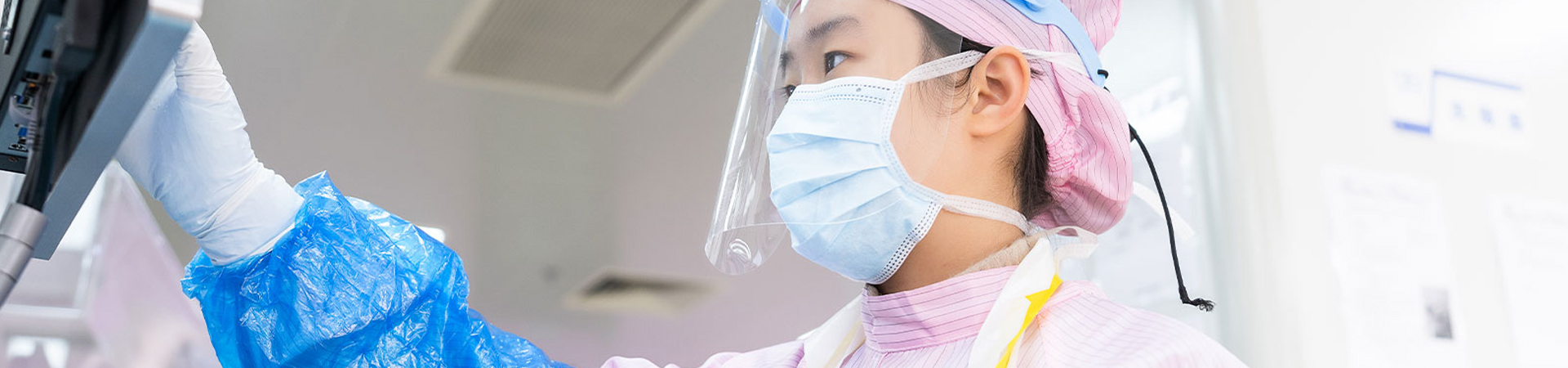
Today, innovation operates in a shared system. MEENT manages product definition, quality, and clinical support, while selected partners handle assembly and integration. This model affords rapid service, flexible distribution, and short feedback loops. Technical work is concentrated in Shenzhen, with partners across China’s major medical device manufacturing bases. Much of our talent is dedicated to product development, quality engineering, and clinical validation—encompassing digital image processing, optical design, acoustic signal processing, ergonomic workflow design, and sterilisation technology. We maintain close ties with dental clinics, ophthalmic surgical centres, ENT departments, audiology centres, and community health stations.
Image and signal accuracy are intrinsic to every system. Panoramic X‑ray platforms incorporate precise exposure control, advanced stitching algorithms, and artifact reduction. Intraoral cameras use high‑resolution optics with true colour reproduction. Ophthalmic diagnostic systems deliver precise refraction measurements and advanced imaging modalities. Audiometric platforms employ accurate acoustic calibration with environmental noise compensation. Diagnostic fidelity supports correct clinical decisions at the point of care.
Fewer steps and smooth transitions between devices. Integrated modular wall diagnostic stations combine multiple examination functions into a compact unit. ENT workstations unify otoscopy, laryngoscopy, and diagnostic tools in a single interface. Dental centres link imaging, treatment, and sterilisation in a continuous workflow. Ophthalmic suites coordinate diagnostics, microsurgery, and patient furniture seamlessly. Workflow continuity reduces device handling and increases time with patients.
A device that is hard to service will cause prolonged downtime, delaying care. Modular parts, secure remote diagnostics, and clear service guides minimise interruptions. Field teams can replace boards, recalibrate imaging systems, or update software with minimal disruption. Serviceability is a core engineering requirement from the earliest design stages.
No unnecessary complexity and no missing critical controls. Interfaces follow evidence‑based ergonomic principles, and escalation rules are explicit. Controls are ordered by clinical priority. Ergonomic honesty means no hidden functions—if a parameter is adjustable, its control is defined, tested, and verified.
Subscribe to MEENT to unlock integrated solutions across dentistry, ophthalmology, ENT, audiology, and general practice—elevating diagnostic precision, clinical workflow, and patient outcomes through a unified ecosystem of imaging and therapeutic platforms.
© Nortek HealthCare Group Ltd., 2009-2026. All rights reserved.
This site operates under the laws of the People's Republic of China. Your access and use constitute acceptance of these Terms of Use and our Privacy Policy. All content is governed by our Privacy Notice. For details or inquiries, please Contact Us or use the site's search function.